Tuesday, 4 September 2012

Lower Derwent Visit


Brilliant weather and the kids are back at school!!
Yesterday I took myself off to Wheldrake Ings – always a good bet for a few migrating waders at this time of year. And it might well have been, but I was not able to get close enough to spot anything. There were good, but distant views from the now restored Tower hide, but unfortunately YWT have yet to complete repairs to the boardwalks for the other two - I wish I had known beforehand. However, From Tower hide I was able to watch a couple of Marsh Harrier search the flooded areas for a meal – one female and the other a juvenile. Neither were successful in anything other than spooking all the duck and gulls that had been peacefully roosting.

Marsh Harrier
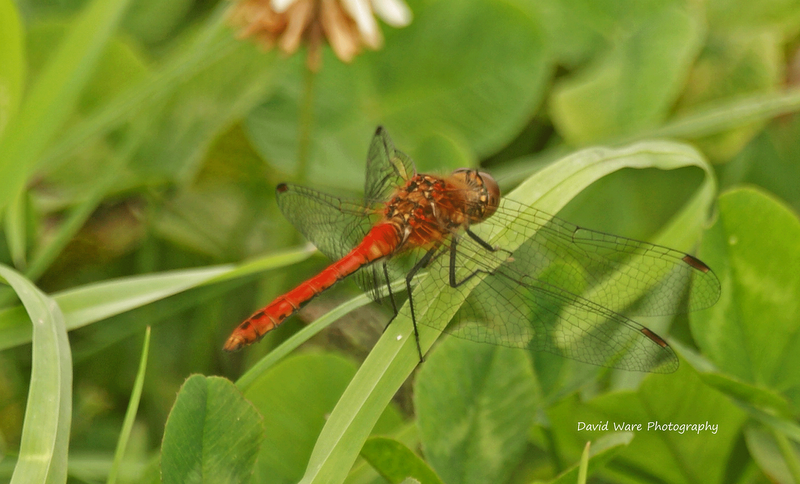
The dragonflies were relishing the warm sunshine, with a number of Brown and Southern Hawkers, and Ruddy Darters patrolling the hedge and willow borders. Some had paired up and were ready to lay eggs for next year’s generation, and many were looking the worse for wear, with tears to those delicate wing panels. I came across a single Banded Demoiselle – a species I normally associate with earlier months of the summer. What a beauty!

Brown Hawker

Southern Hawker
 
Mating Southern Hawkers

Mating Ruddy Darters
 
Baned Demoiselle
 
On the way back to the car I did come across an obliging Lesser Whitethroat. It looked like a juvenile, and was greedily picking off insects on the brambles near the bailey bridge. A very nice bird.

Lesser Whitethroat

Saturday, 1 September 2012

A Disappointing Start, but an Enjoyable Ending


The weather was forecast to be fine and sunny yesterday, so I decided to take myself off to the north of the region to a site I had not visited before – Filey Dams. The reserve has a reputation as a bit of a hotspot during the return migration period, and as we had had fairly strong north to north-easterlies for the past day or so, I was hoping for something special.
How disappointed was I? When I arrived it was quite cool and the reserve was occupied only by the usual residents – Greylags, Mallard, Mute Swans, a variety of gulls etc. No waders, and only one visiting passerine in the tree next to the hide – a female Blackcap. There were frequent drop-ins from Swallows and some Sand Martins, but otherwise diddly-squat. Opportunities for photos were limited to some moorhen and odd birds at the feeding table. There was a very brief glimpse of a fox, but it had clearly already eaten as it laid down behind some tall grass for a sleep, and was not seen again.

The word was that Filey Brigg was just as quiet, so I decided to relocate to Bempton Cliffs for the afternoon. Unfortunately things weren’t much different there. Yes the cliffs were alive with Gannets, Fulmar, and Herring Gulls, but the rest of the reserve was very quiet. I did spot a second fox near the old RAF watch station, but otherwise I only saw a few Tree Sparrows and Chaffinch. So I settled down to watch the Gannets and Fulmars.
Fulmar

Fulmar - up close

Fulmar - effortless
The interesting thing about the Gannet colony was that even at this late stage of the season things seemed a bit mixed up. There were young birds flying and practicing their landings; young on the cliffs, some still covered in down; adult birds still courting and mating; and even one bird bringing nesting material back to a mate. Weird!
Gannet

Gannet-sex - a precarious exercise

"Honey, I'm home..."

One of the last fluffy chicks

Must be a late starter

Juvenile practicing with new skills

Although the day had had a disappointing start, I'm glad I went over to Bempton. Watching and photgraphing the Gannets and Fulmars was something I hadn't done for a while, but found it very enjoyable and a good test for the new camera.

Wednesday, 29 August 2012

Summer? Not Quite Over


For the past couple of weeks I have had to provide cover at work while colleagues have been taking their holidays. That has sadly restricted my chances to get out. However, that is coming to an end, and given the good weather yesterday I managed to squeeze a few hours over at Tophill to play with my new camera.
I had been hoping to see some decent migrants on their way through the reserve. Whilst I came across a couple of Willow Warblers and half a dozen Greenshanks, there wasn’t much to practice on other than water fowl in various stages of eclipse. Even the Kingfisher restricted its appearances to the far side of Watton burrow pits.

However, the warmth seemed to have brought out quite a good variety of butterflies and dragonflies, so I decided to practice on them instead. Most of the butterflies appeared to be freshly emerged, perhaps second broods after the earlier wet months. In all, I encountered nine different species.
Common Blue

Gatekeeper

Holly Blue

Peacock

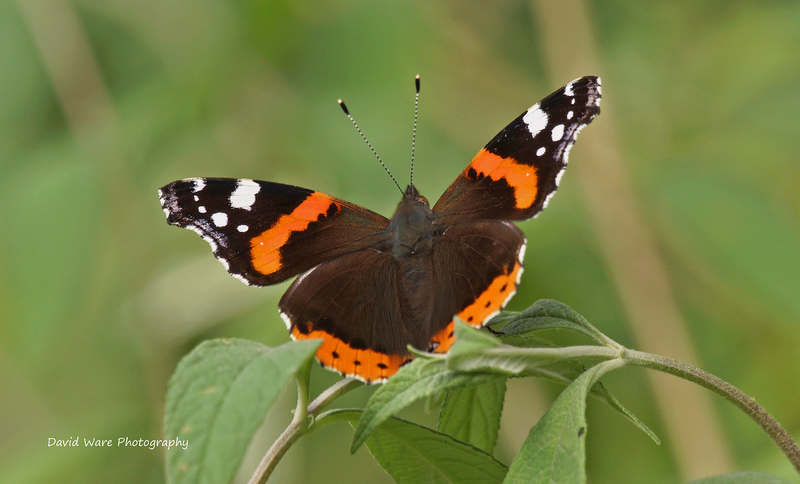
Red Admiral

Small Copper

Speckled Wood

Wall Brown
On the dragonfly side I found each of the resident hawkers –migrant, southern, and brown – along with both Common and Ruddy Darters, and Black-Tailed Skimmers.

Common Darter (female)

Migrant Hawker

Southern Hawker
I think the photography turned out well. I am enjoying this new toy!

Tuesday, 7 August 2012

High Tide at Spurn


My Monday trip was to Spurn. The tide was scheduled to be a high spring tide at about 9.00am, so my plans were to be in the hide at Chalk Bank an hour or so before. With the sun behind me, I was expecting to get some good shots of the waders as the incoming tide would move them up the beach. Often plans don’t work out - as at Alkborough - but today it all went swimmingly.
When I arrived the spit was occupied by a crowd of Oystercatchers and some Curlew, with the outposts being guarded by Great Black Backed Gulls. Very soon though the Knot and Godwits began to arrive – most still in their summer plumage, but a few already dressed for the coming winter.

Curlew

Knot in flight

Knot landed
All the while there was a steady stream of birds heading south. Swallows continued their journey, but very soon there was a small colony of 50 or so Sandwich Terns taking a break from theirs. Others of the party didn’t bother, and I must have counted a good couple of hundred before I left. The juveniles were easy to spot, having much less of a black head than their parents. Interestingly some parents continued to fish as they flew south, bringing sand eels back for their offspring.

Sandwich Tern - complete with food parcel
Bar-Tailed Godwit - in winter plumage

Bar-Tailed Godwit - in summer plumage
 At the height of the tide flocks of Dunlin arrived, some still in summer garb, but most having made the change. All waders use the high tide period to roost, and for Dunlin this is very important to their survival - I guess because they are not as long-legged. Thirty minutes after high tide I made my way down to the Point to see if there were any other migrants, and was astonished by the numbers of Dunlin on the east side beaches. I hadn’t seen such a gathering before, and there were other similar sized groups further south on the peninsula.

Dunlin

Dunlin

Roosting Dunlin - seen from the dunes above the Point 
On the way home I stopped in at the new Kilnsea Wetlands area. Of course it is a bit bare at present, and that will change as the site develops. Today there were 4 Avocets present – a breeding pair and their two offspring. While there I saw one parent drive off a Redshank and a Common Sandpiper – behaviour I haven’t seen in Avocets elsewhere! I wondered if the absence of others birds may be down to this aggression? We will have to see next year if they return. Either way I’m sure that the hard work put into this area will pay dividends.

Juvenile Avocet

Sunday, 5 August 2012

Just a Spoonbill of Sugar….


Yesterday’s trip was to Alkborough Flats in Lincolnshire, a place I have often visited and enjoyed. Given the start of the wader migration I thought that if I got there before high tide, then I might find any waders being forced up the mud bank in front of the hide, allowing some excellent views. Unfortunately, while this may have been the case a few years ago, it now seems that the inlet for the water makes it rise quickest in front of the hide, forcing the birds away from the hide. Given that yesterday saw a spring tide it quickly became apparent that the depth of water over the mud bank would be greater than the length of the legs of the birds. As a result they all moved over the far reed beds and onto a different and less accessible (for me) lagoon. As I had made the effort to be at Alkborough for an early morning high tide, this is something I will learn from for the future.

However, things were far from being ruined. Not long after arriving two elegant Spoonbills awoke from their post feeding slumber and gave some fantastic views almost in front of the hide. There was some stretching, individual preening, mutual preening, and parading before they took their leave and followed some the smaller waders to the far lagoon. Of the other waders on show some were too distant to see other than with a scope; these included Lapwing, Avocet, Sandpipers – Green and Common around the reed beds, and Wood in the flooded field behind the hide – as well as Greenshank, and Curlew.

Stretching...

Wing exercises....

Mutual preening....

Up close and personal.....

More stretching.....

Parading.....

And finally, flying.....
Avocet

Greenshank
While the tide was high I took the opportunity to walk the long perimeter of the reserve. Strangely there were probably more dragonflies than birds about. I came across a few Linnets and Meadow Pipits, and even encountered a Green Woodpecker in the trees under the escarpment. Otherwise the only notable birds were the 20 or so Yellow Wagtails feeding up on flies and other insects around the areas of water. The dragonflies were limited to Common and Ruddy Darter, and Broad-Bodied Chasers.

Linnet

Juv Yellow Wagtail

Common Darter (female)

Ruddy Darter (male)

Broad-Bodied Chaser